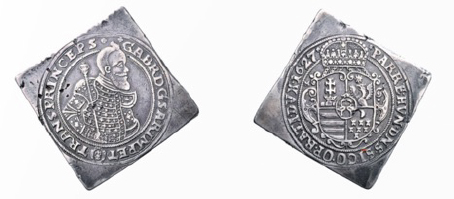
A Transylvanian double thaler klippe from the 17th century.

Do you think there are only round silver coins? Not quite! There are also square coins, and they are called “klippe”.


doppeltalerklippe

A little bit of history

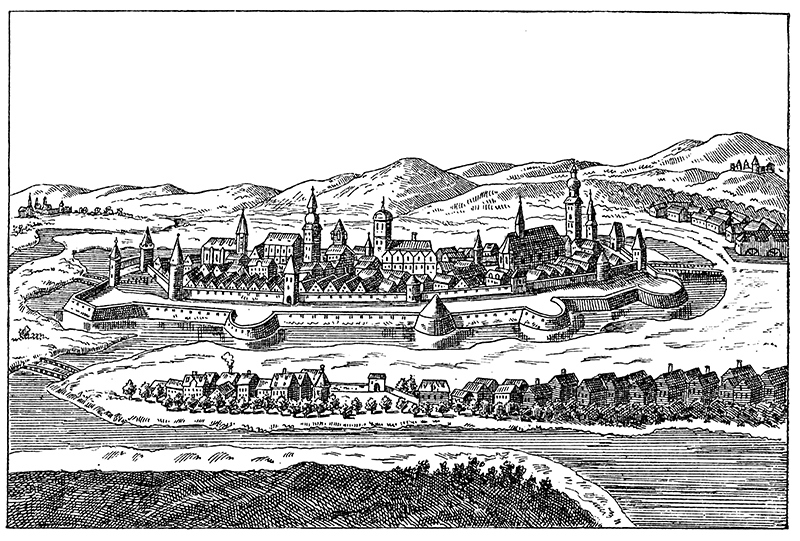
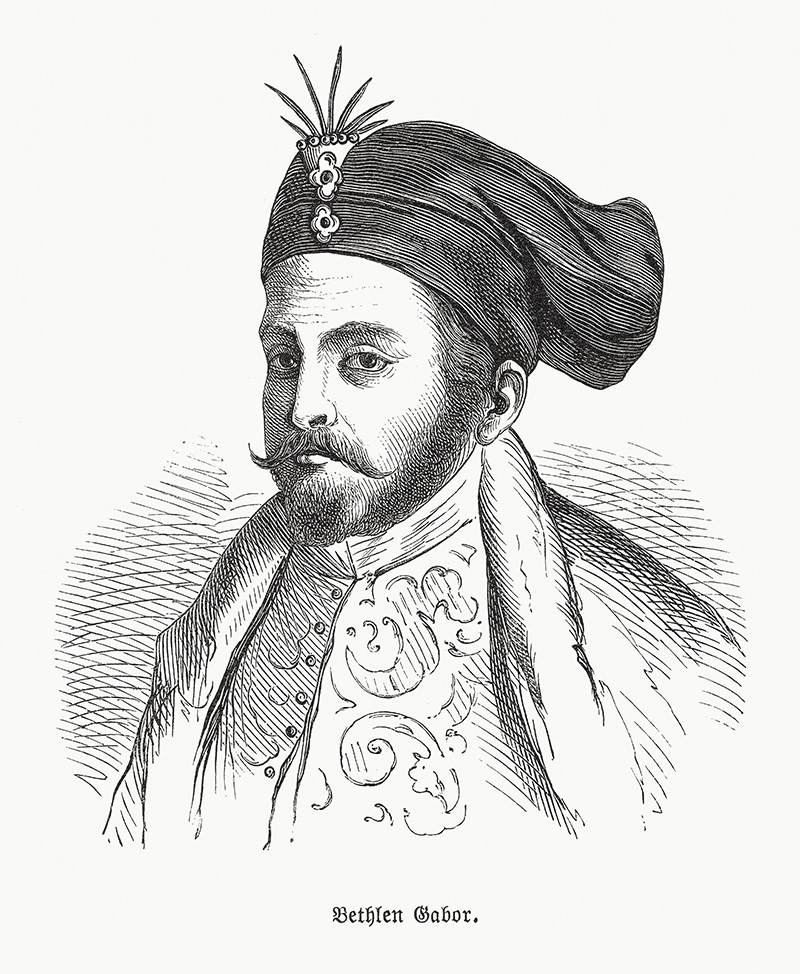
Our specimen, a double thaler klippe, originates from Transylvania, which is located in north-western Romania today and was ruled by Prince Gabriel Bethlen (1580-1629) at the time of this coinage in 1627. The coin was minted in Kaschau, the former Kosice, which is located in present-day Slovakia.


Kosice

The region of Transylvania was a highly contested territory at that time, which for a long period was a battleground of fierce struggles between Hungary or the Habsburgs on one side and the Ottoman Empire on the other. Although all Transylvanian princes were vassals of Hungary, Transylvania was constantly politically balancing between the two powers. This back and forth is also reflected in Gabriel Bethlen’s impressive biography and rise to power, which, as was often the case during that time, was very bloody. As the son of a Hungarian aristocrat, Bethlen returned in 1613 after fleeing to Turkey with a Turkish army, and defeated the then ruling Prince Gabriel Báthory (1589-1613) in Transylvania, after which he had himself crowned prince. The reason for this was Báthory’s alignment with the Habsburgs, which Bethlen disagreed with.


The coin

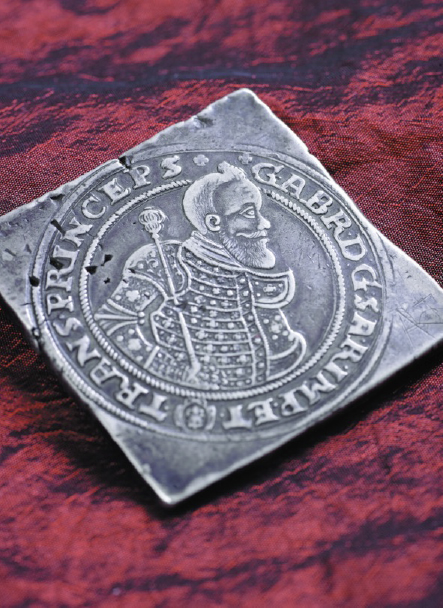
As we look at the obverse of this klippe, we see the bust of Bethlen in armor with a scepter on his shoulder. On the reverse, we see a coat of arms with Bethlen’s family crest in the center – the two swans representing the Bethlen-Iktár line. But why is this silver coin actually called a klippe? The word “klippe” comes from the Swedish term “klippa,” which means “to cut” or “to clip.” These coins were often minted in difficult times, such as during sieges. In our case, it even equates to two thalers, which is double the weight of a regular thaler (approximately 28g). Later, klippes were minted for special occasions. Another noticeable feature of the coin presented here are the small holes in the metal next to Bethlen’s bust. These are called “planchet flaws” by numismatists. Planchet flaws occur even before the actual minting of the coin, during the production of the planchet itself. If the planchet is flawed, these errors will also be visible on the minted coin. Thus, this coin not only displays the likeness of Gabriel Bethlen and his crest but also the traces of its own manufacturing history.


doppeltalerklippe

ContaCt

Do you also own such a piece, or do you have a coin collection that you would like to sell? Then contact us now. Our Head of Numismatics, Mauritius Faber, will be happy to advise you.


Mauritius Faber
Head of Numismatics
Toggenburgerstrasse 139 | CH-9500 Wil, Switzerland
Phone 0041 71 923 77 44 | info(at)rapp-auktionen.ch

×

×
×

Vielen Dank für Ihre Anmeldung

Ihre Anmeldung war erfolgreich, Sie können dieses Fenster nun schliessen.

Register for our newsletter


Let us keep you posted with news about our international auctions for stamps, coins, jewellery, watches and designer handbags. To receive our newsletter, simply fill in the form below. Your e-mail address will only be used for the newsletter and not passed on to third parties. You can unsubscribe from our newsletter at any time. Fill in all the fields marked with (*).

I am interested in:

To join us for regional events and benefit from our special offerings, please provide your address, so that we can always keep you up to date about news from Rapp Auctions.